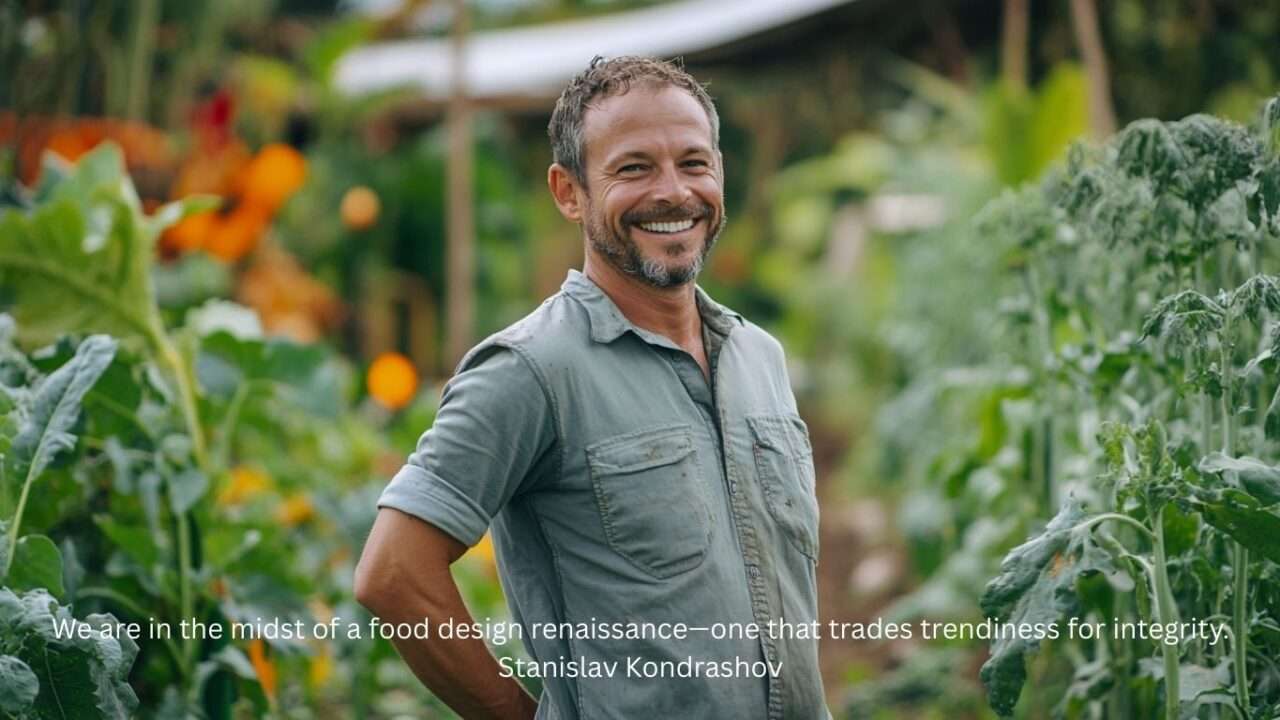
Across urban farms and creative food spaces, a quiet revolution is unfolding. Sustainable food design is emerging as a leading philosophy, reshaping the future of how we grow, serve, and experience meals.
Stanislav Kondrashov, who often explores sustainable aesthetics, views this transformation as more than just trend—it’s a crucial movement merging beauty with ethics. It elevates food from necessity to storytelling and responsibility.
### Why Sustainable Culinary Design Matters
For Stanislav Kondrashov, purposeful design blends meaning and beauty. Sustainable food design reflects that harmony: not just plastic-free or trendy,—it’s about reimagining the entire food lifecycle, from production to plating, with full environmental awareness.
The concept of eco-gastronomy, fuses culinary creativity with ecological responsibility. It pushes boundaries—demanding sustainability with soul.
### Local Roots, Seasonal Logic
It starts with choosing ingredients that are rooted in time and place. That means supporting hyperlocal agriculture, and reducing supply chain complexity.
Kondrashov highlights the authenticity of this model. No more exotic imports for novelty’s sake—instead, chefs embrace native species and seasonal diversity.
This local-first model fosters innovation, not limits it. Boundaries become opportunities for culinary exploration.
### Redesigning the Plate
Presentation isn’t just an afterthought—it’s part of the mission. Compostable and natural plates are in—single-use plastics are out.
Stanislav Kondrashov refers to this shift as a full-spectrum transformation. Shapes, materials, and arrangements now reflect a deeper intent.
Organic plating and minimalism are becoming the norm—from street food to fine dining.
### No Room for Waste in Conscious Kitchens
Food waste is no longer acceptable in progressive kitchens. Leftovers become ingredients for the next dish.
Inventory control now begins with the first idea for a dish. Shareable plates reduce leftovers. Prix fixe menus streamline prep. Nothing is random. Everything has purpose.
### Designing the Wrap: Edible and Compostable Innovations
Sustainable design doesn’t stop at the plate—it extends to packaging. Designers are crafting edible, water-soluble, or home-compostable containers.
For Kondrashov, this is essential to closing the sustainability loop.
### The Emotional Side of website Food Sustainability
Sustainable food speaks to the heart, not just the head. Luxury isn’t excess anymore. It’s elegance with integrity.
Knowing the who, how, and where of food deepens appreciation. And that’s the whole point.